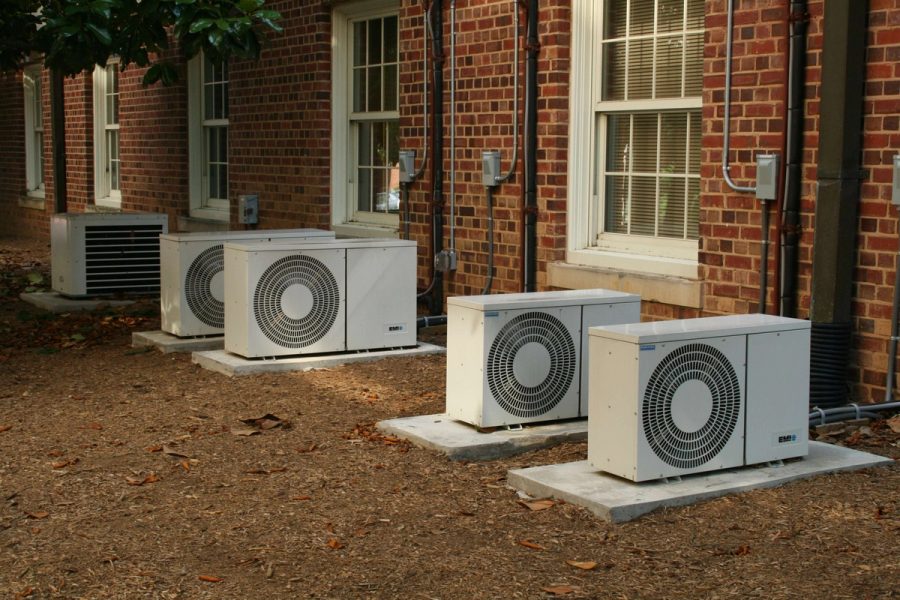
In today’s trade industry, speed matters just as much as skill. When a customer’s air conditioner breaks down on a 38-degree day or a pipe starts leaking after hours, they’re not shopping around for the “best” tradie — they’re calling the first one who responds. In climates like Brisbane’s, where extreme heat drives year-round HVAC demand and emergency breakdowns are common in summer heatwaves, tradies who can’t respond quickly risk losing jobs to competitors who can answer faster.
If a tradie doesn’t provide an answer or clear response promptly, customers will simply move on to another provider who does, especially during busy, high-demand periods. For many Australian tradies, slow responses aren’t caused by poor service — they’re caused by being flat-out on the tools. This is where AI receptionists are starting to play a critical role, helping trade businesses respond instantly, professionally, and consistently without pulling tradies away from paid work.
Why Speed Matters More Than Ever for Tradies
Customer expectations have changed. People now expect immediate responses, even from small trade businesses. A delay of 10–30 minutes can be enough for a customer to call another provider, especially for urgent or high-value jobs.
For tradies, responding quickly isn’t always realistic. Most are:
- On-site completing jobs
- Driving between locations
- Working in noisy environments
- Handling tools, machinery, or safety-critical tasks
This creates a gap between customer expectations and real-world trade work — and that gap often results in lost opportunities.
Why Tradies Struggle to Respond Quickly to Enquiries
Slow response times usually aren’t intentional. They’re a by-product of how trade businesses operate day to day.
Common reasons include:
- Calls coming in while working on-site
- No admin support during business hours
- After-hours and weekend enquiries
- Busy periods like heatwaves or seasonal spikes
- Needing to stop work to answer, then re-focus
Even when tradies return calls later, the damage is often already done.
The Real Cost of Slow Responses for Trade Businesses
Lost High-Value Work, Especially Emergency or Same-Day Jobs
When response times slip, the most immediate impact is on urgent or high-value jobs. Customers with emergency needs — like sudden air conditioning failures in extreme heat or burst pipes after hours — are actively searching for prompt service. If a tradie doesn’t respond quickly, competitors who do will secure that job instead. This isn’t just about missed calls — it’s about lost revenue opportunities that may never return.
Customers Choosing Faster Competitors
Australian consumers increasingly expect quick replies when interacting with businesses, regardless of industry. Research shows customers want responsiveness, and slower service leads them to switch providers. With rising expectations for quick responses, businesses that delay are more likely to see their customers look elsewhere for solutions.
Read more here: Is the quality of Customer Service declining?
Poor First Impressions, Even if the Work Quality Is Excellent
A slow response doesn’t just lose a job — it damages first impressions. Customers equate responsiveness with professionalism. Even if the tradie’s work quality is outstanding, a poor initial interaction due to slow replies can create a negative perception that influences future decisions.
Increased Admin Stress from Chasing Missed Enquiries
Slow replies add pressure to internal operations. Teams spend extra time chasing down late enquiries, left-over messages, and callbacks — all of which pull attention away from serving current customers and completing jobs efficiently. Over time, this stress becomes systemic rather than occasional.
Revenue Leakage During Peak Seasons
During peak periods like summer call floods, delayed responses cost more than individual jobs — they compound throughout the season. When tradies can’t keep pace with enquiries, revenue leakage occurs as opportunities are repeatedly lost to competitors who respond faster. This effect is magnified when demand is highly time-sensitive.
What Is an AI Receptionist?
An AI receptionist is a smart, automated call-handling system designed to answer and manage customer enquiries in real time.
Unlike voicemail or basic auto-attendants, an AI receptionist can:
- Answer calls instantly
- Speak naturally with callers
- Ask relevant job-related questions and provides job management solutions
- Capture contact details and urgency
- Log enquiries for follow-up or scheduling
For tradies, this means customers are engaged immediately — even when no one is available to pick up the phone.
How can an AI Receptionists Help Tradies Respond Faster?
The biggest advantage of an AI receptionist isn’t just answering calls — it’s eliminating response delays altogether.
Instant Engagement, Every Time
AI receptionists answer calls immediately, so customers aren’t left waiting, listening to voicemail prompts, or calling competitors.
No Interruptions to On-the-Tools Work
Tradies can stay focused on the job while the AI handles enquiries, captures details, and filters urgency.
Structured Job Information
Instead of rushed phone conversations, AI receptionists collect:
- Type of service needed
- Location
- Time sensitivity
- Preferred contact method
This allows tradies to respond faster and more accurately.
Priority Handling for Urgent Jobs
Emergency or high-value enquiries can be flagged automatically, ensuring urgent work is addressed first.
After-Hours Responsiveness
AI receptionists continue working after 5pm, on weekends, and during holidays — when many trade enquiries actually happen.
Why AI Receptionists Are Becoming Essential for Australian Tradies
The trade industry in Australia is becoming more competitive, and customer patience is shrinking. Research shows Australian customers want responsive interactions and will adjust their behaviour or spending in response to slow service — making responsiveness a key component of service quality.
Being good at the job is no longer enough — being fast to respond is now a competitive advantage. Tradies who can meet or exceed expectations around responsiveness build stronger customer relationships, win more work, and maintain a professional reputation in a crowded market.
AI receptionists support this shift by providing instant, consistent responses to enquiries while tradies stay on the tools. Instead of juggling calls and work, tradies can focus on delivering quality service while AI manages customer interactions and captures job details in real time.
Conclusion
Faster Responses Lead to More Jobs
Slow responses don’t just cost tradies time — they cost real money. In many cases, the job doesn’t go to the best tradie, but to the fastest responder.
AI receptionists help close the gap between being busy on the tools and staying responsive to customers. By answering instantly, collecting the right information, plotting schedule and managing enquiries around the clock, AI gives tradies a smarter way to run their business without working longer hours.
In an industry where timing often decides who wins the job, faster responses mean more opportunities — and AI receptionists make that possible.